Therapy for Stress & Burnout
Stress can build slowly or arrive all at once. You might notice your mind never fully shuts off, your patience feels shorter, or even small tasks begin to feel heavy. Burnout can show up as emotional exhaustion, irritability, difficulty concentrating, or a sense of disconnection from work and relationships. What once felt manageable now feels overwhelming.
Burnout does not affect only one type of person. It impacts professionals under constant pressure, parents juggling responsibilities, students trying to keep up, caregivers supporting others, and high achievers who hold themselves to relentless standards. Over time, chronic stress can disrupt sleep, lower motivation, and affect both emotional and physical health. Many people push through for months before realizing how depleted they have become.
Therapy creates space to slow down and understand what is driving your stress response. Rather than continuing to push through exhaustion, you can begin to examine the patterns, expectations, and pressures that are contributing to burnout. With support, change becomes realistic and sustainable.
In this work, you develop practical tools to regulate your nervous system, strengthen boundaries, and respond to challenges with greater steadiness and clarity. The goal is not just temporary relief, but helping you restore energy, regain focus, and move forward in a way that feels more balanced and sustainable.


Signs You May Be Experiencing Burnout
Burnout does not always happen suddenly. It tends to build over time, often masked as productivity or responsibility. Many people do not realize they are burned out until their energy feels completely drained or their usual coping strategies stop working.
You might notice subtle shifts at first. Tasks that once felt routine begin to feel overwhelming. Motivation drops. Small frustrations feel harder to manage. Over time, these changes can affect work performance, relationships, and overall well-being.
Common signs of burnout include:
- Persistent mental or physical exhaustion
- Feeling emotionally numb or detached
- Increased irritability or frustration
- Difficulty concentrating or making decisions
- Changes in sleep patterns
- Loss of motivation or sense of accomplishment
- Physical symptoms such as tension headaches or muscle tightness
Recognizing these patterns is not about labeling yourself. It is about gaining awareness. When you understand what is happening, you can begin to respond differently and interrupt the cycle before it deepens.
How Therapy Helps with Stress and Burnout
Stress and burnout are not simply problems of time management or motivation. They are signals that something in your internal or external world needs attention. Therapy helps you slow down enough to understand what is driving the exhaustion and why it has been so difficult to step out of it on your own.
Together, we look at the pressures you are carrying, the expectations you place on yourself, and the patterns that may be keeping you stuck in overdrive. Many people living with burnout operate in a constant stress response without realizing it. Learning how your nervous system reacts to pressure is an important first step toward creating change.

In therapy, you begin developing practical strategies to regulate stress in real time. This can include strengthening boundaries, clarifying priorities, challenging unhelpful thought patterns, and building space for recovery rather than constant output. The focus is not on doing more. It is on creating a way of living and working that feels sustainable and aligned with your values.
Over time, therapy supports a shift from chronic depletion toward steadiness. Instead of feeling reactive or overwhelmed, you gain a clearer understanding of your limits, your needs, and your capacity. That clarity makes it possible to move forward with more intention and balance.
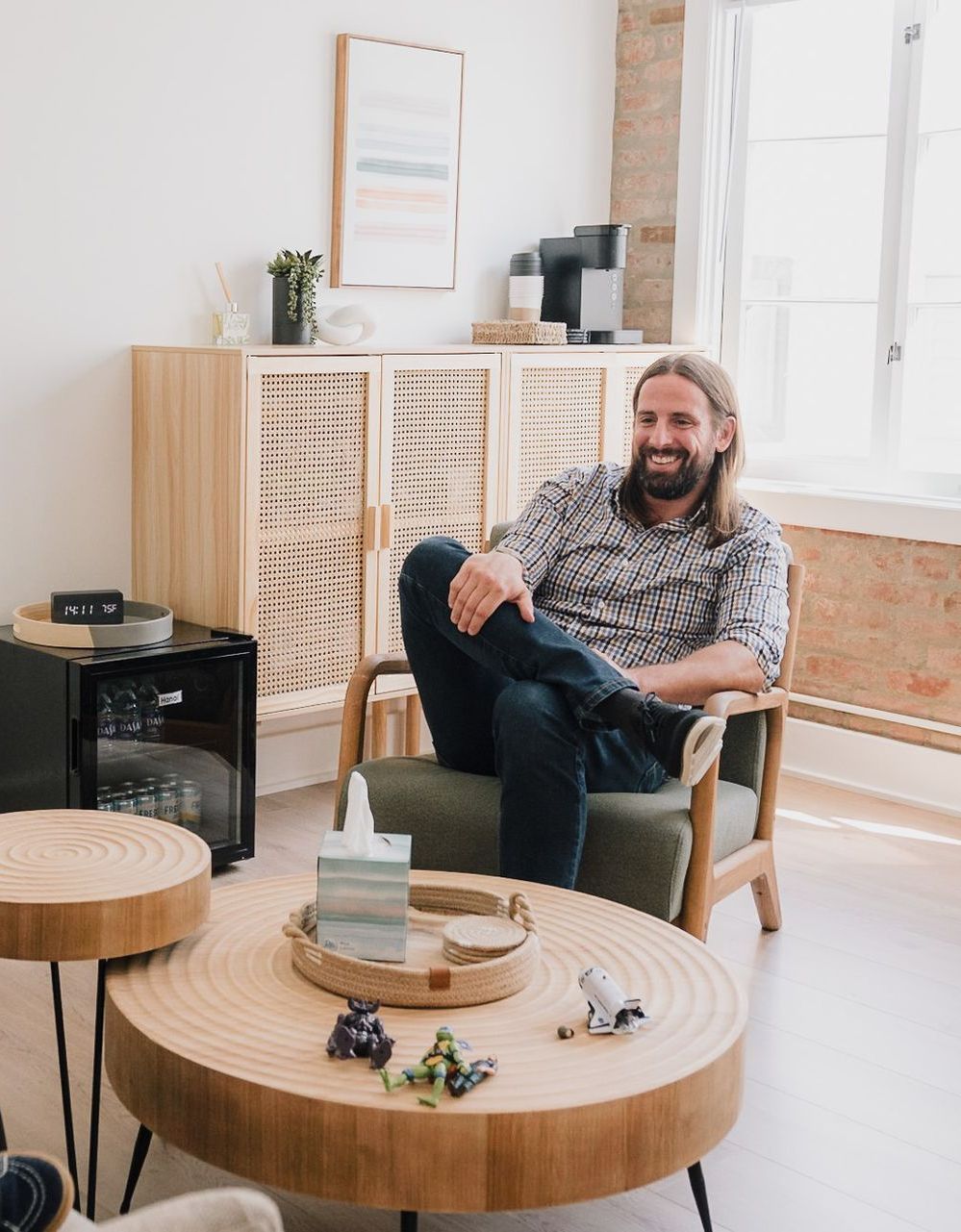
Working with Dr. Nate Psych
Recovering from stress and burnout requires more than quick fixes. It calls for a space where you can think clearly, speak openly, and explore what has been weighing on you without judgment. Working with
Dr. Nate Psych in San Clemente, CA means taking a thoughtful, steady approach that focuses on understanding the deeper patterns behind chronic stress rather than just addressing surface symptoms.
Sessions are collaborative and practical. You are not simply given advice. Instead, you gain insight into how your stress response operates, what contributes to depletion, and what changes are realistic and sustainable. The process combines reflection with skill-building so that growth feels grounded and applicable to everyday life.
As awareness increases, clarity tends to follow. It becomes easier to recognize limits, communicate needs, and step out of cycles of overextension. The goal is not constant productivity or perfection, but helping you reconnect with balance, energy, and a stronger sense of direction.
Frequently Asked Questions About Therapy for Stress & Burnout
Start Moving Toward Relief
You do not have to continue managing burnout on your own. If stress has been building or exhaustion has become your baseline, support is available. Taking the first step can feel difficult, but it also opens the door to meaningful change.
If you feel ready to take the next step, scheduling a consultation is a straightforward way to begin. We offer in- person therapy in San Clemente or through virtual therapy sessions available throughout California. The process begins with a conversation about what has been weighing on you and what you would like to change. Reach out today to start moving toward greater balance, clarity, and a pace that feels sustainable.